
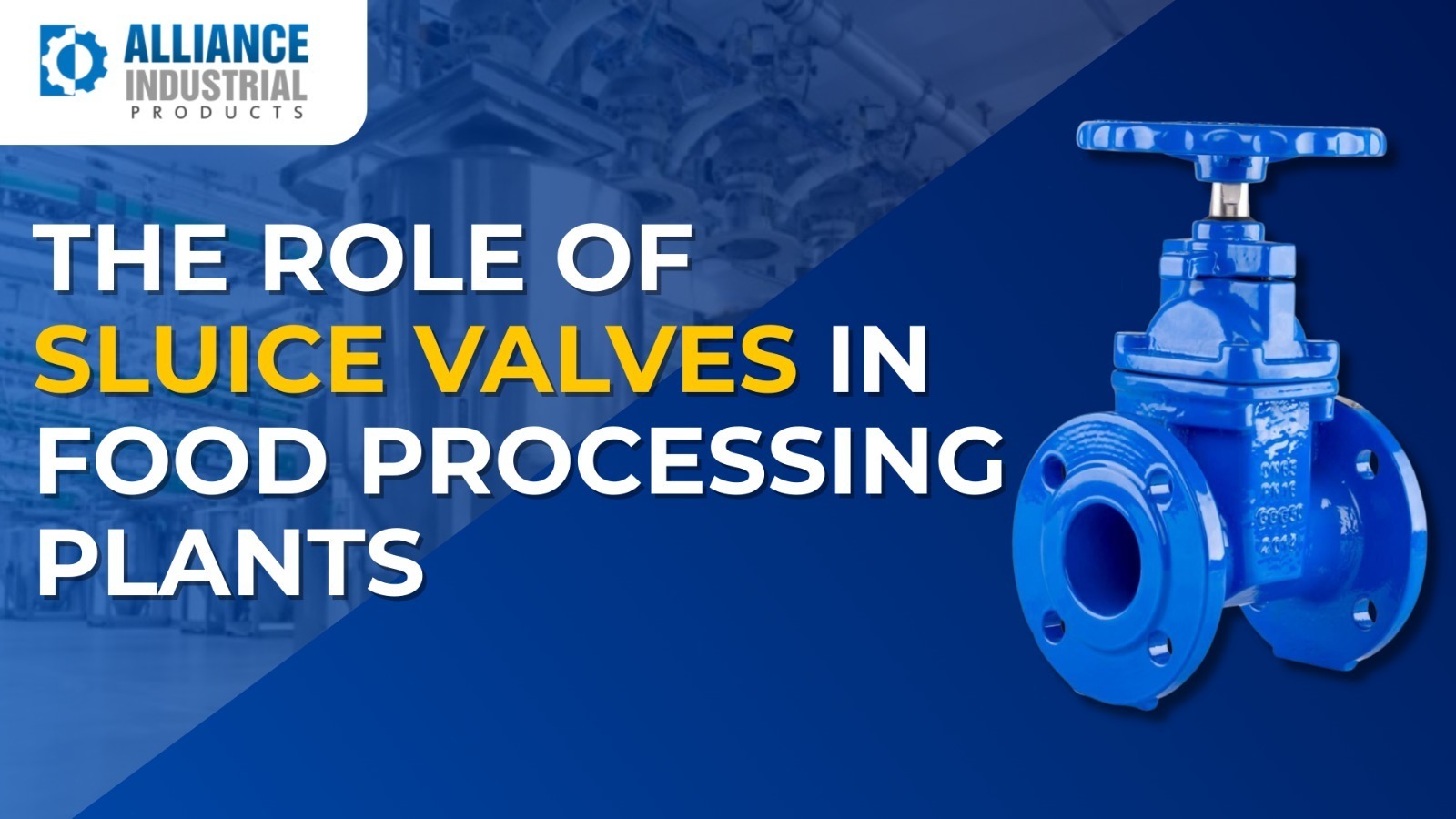
Food processing plants move huge volumes of powders, grains, and bulk solids every single day. Because of that, flow control equipment plays a direct role in safety, hygiene, and production stability.
This is where sluice valve applications in food processing become highly relevant. These valves manage product flow between silos, hoppers, conveyors, and processing lines with controlled isolation.
At the same time, plants must maintain cleanliness, avoid cross-contamination, and keep downtime low. So, sluice valves for food industry operations must perform reliably under demanding conditions.
The Sluice Valve Applications in Food Processing
Sluice valves, also known as slide gate valves, control the discharge of bulk materials using a sliding plate or gate. The gate moves across an opening to start, stop, or regulate product flow.
In food plants, materials like flour, sugar, starch, grains, and powdered ingredients pass through multiple handling stages. Therefore, industrial sluice valves food processing systems rely on must operate smoothly and seal properly.
These valves often sit at transition points between equipment. As a result, they help operators isolate sections of the process without shutting down entire production lines.
Where Sluice Valves Work Inside Food Plants
You will find sluice valves in many critical areas across modern facilities. Their role goes far beyond simple on and off control.
Common application points include:
- Silo outlets controlling gravity discharge
- Hopper and bin isolation points
- Screw conveyor inlets and outlets
- Pneumatic conveying transfer points
- Bulk ingredient dosing systems
In these positions, bulk material handling valves food plants depend on must handle constant movement and occasional surges in material load.
Because food products move in large batches, stable isolation becomes essential during maintenance or cleaning cycles.
Hygiene and Material Considerations
Food production environments follow strict cleanliness standards. For that reason, hygienic valves for food processing require smooth surfaces and appropriate material selection.
Polished finishes reduce product buildup on internal surfaces. This helps lower contamination risks and supports easier cleaning routines. Stainless steel components often support hygienic zones, especially near open product areas.
Alliance Industrial Products offers stainless steel sluice valves food industry facilities can integrate into sensitive processing sections. These valves combine durability with surfaces suited for food contact environments.
Material options also include cast iron, cast steel, mild steel fabricated bodies, and ductile iron. This range supports both hygienic and heavy duty utility zones within the same plant.
Valve Isolation in Food Processing Systems
Isolation matters just as much as flow control. During maintenance, cleaning, or inspection, operators must separate equipment safely and quickly.
This is where valve isolation in food processing systems becomes a daily operational need. Sluice valves provide a positive shut off between silos, conveyors, and downstream machinery.
For example, operators can stop material discharge from a silo while servicing a conveyor below. That prevents product loss and protects maintenance teams from unexpected flow.
Reliable isolation also supports batch control. Plants often switch between ingredients, and tight shut off helps reduce cross mixing between product runs.
Technical Features That Support Performance
Valve construction and actuation directly affect long term reliability. Alliance Industrial Products supplies automatic sluice valves with several configuration options.
Here is a quick technical spec sheet:
| Feature | Specification |
| Valve Size | 50 mm to 1200 mm diameter |
| Operation | Automatic |
| Finish | Polished |
| Material of Construction | Cast Iron, Cast Steel, MS Fabricated, Ductile Iron |
| Accessories | Spur gear, worm gear, bevel gear, travel indicator, back seating, actuator |
This size range allows use from small ingredient lines to large silo discharge systems. Automation also supports integration into centralized plant control systems.
Supporting Silo Discharge and Bulk Handling
Large food plants often depend on gravity discharge from tall silos. Flow control at this stage directly affects downstream consistency.
Silo discharge valves food processing operations use must open smoothly and close tightly. Any leakage or jamming can interrupt the entire production schedule.
Sluice valves handle these duties by offering a simple mechanical design with strong isolation capability. When paired with gear or actuator options, operators gain controlled and repeatable movement.
This level of control helps balance material flow into mixers, blenders, or packaging lines.
Why Valve Choice Impacts Plant Efficiency
Poor valve selection can lead to material buildup, leakage, or frequent maintenance stops. Over time, those small issues turn into lost production hours.
In contrast, properly specified food grade industrial valves support stable flow, safer isolation, and easier cleaning routines. That combination reduces operational stress on both equipment and staff.
Plants that invest in the right valves often see smoother startups, fewer blockages, and better overall process control.
Conclusion: Sluice Valve Applications in Food Processing That Deliver Results
Strong sluice valve applications in food processing connect directly to plant safety, hygiene, and production efficiency. These valves control how materials move, where they stop, and how systems isolate.
From bulk storage to final processing lines, industrial sluice valves food processing facilities depend on form a quiet but essential part of daily operations.
Alliance Industrial Products supplies high quality sluice valves for food industry environments, backed by technical knowledge and global project experience. Their range supports both heavy duty bulk handling zones and hygienic processing sections.
In modern food plants, reliable flow control does not happen by accident. It starts with the right valve in the right place, working consistently behind the scenes.

